

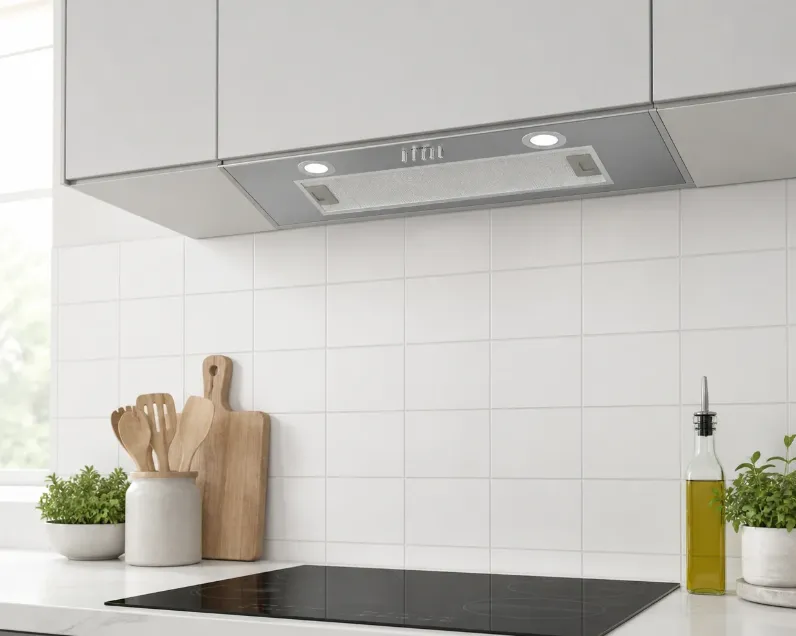
A beautiful kitchen deserves more than stylish cabinets and attractive countertops. It also needs fresh air, comfortable cooking conditions, and an efficient way to manage smoke, grease, and unwanted odors. Whether you prepare quick weekday meals or enjoy experimenting with new recipes, the right ventilation system can make a noticeable difference in your everyday cooking experience. This is where the best ductless range hood becomes an excellent option for homeowners who want a cleaner, more comfortable kitchen without complicated installation.
Unlike traditional ventilation systems that send cooking air outside through ductwork, a ductless model filters the air and releases it back into the room. This practical design makes it especially useful for apartments, rental properties, condominiums, and kitchens where installing external ventilation is difficult or expensive. With the right features and regular maintenance, a ductless hood can combine convenience, functionality, and contemporary design in one compact appliance.
What Is a Ductless Range Hood?
A ductless range hood is a kitchen ventilation appliance designed to capture cooking fumes, grease particles, and odors. Instead of moving air outdoors, it draws air through a filtration system and circulates the filtered air back into the kitchen.
Most models use two primary types of filtration. A grease filter captures airborne grease and helps prevent oily residue from accumulating on kitchen surfaces. A charcoal filter helps reduce cooking odors, making the kitchen more pleasant after preparing foods with strong aromas.
This recirculating system eliminates the need for exterior ductwork, which can simplify installation and reduce renovation costs. However, it is important to understand that ductless hoods generally do not remove moisture, heat, or airborne contaminants as effectively as properly installed ducted systems. Choosing the right model depends on your kitchen layout, cooking habits, and ventilation needs.
Why Choose the Best Ductless Range Hood?
Selecting the right appliance can improve your cooking experience in several practical ways. A quality model offers useful performance without requiring major changes to your kitchen.
1. Easy Installation Without Ductwork
One of the biggest advantages of a ductless hood is its straightforward installation. Because it does not require a ventilation pipe leading outdoors, you can often install it without cutting through walls, ceilings, or cabinets to create a duct route.
This makes it an attractive option for apartment dwellers and homeowners who want to upgrade their kitchens without undertaking a large renovation project. Depending on the model, installation may involve mounting the unit beneath a cabinet or attaching it to the wall above the cooktop.
Always follow the manufacturer’s installation instructions and ensure that electrical connections meet local safety requirements.
2. Effective Odor Reduction
Cooking delicious meals can leave behind persistent smells, especially when frying fish, sautéing onions, grilling meat, or preparing spicy dishes. A ductless hood equipped with a suitable activated charcoal filter can help reduce many of these unwanted odors.
The effectiveness of odor removal depends on the filter quality, airflow, cooking intensity, and maintenance schedule. Replacing the charcoal filter when recommended is essential for maintaining performance.
For households that cook frequently, investing in a model with readily available replacement filters can make long-term ownership much easier.
3. A Stylish Addition to Modern Kitchens
Kitchen appliances increasingly contribute to the overall appearance of a home. Today’s ductless hoods are available in a variety of finishes, including stainless steel, black, white, and other contemporary designs.
Slim profiles work well in compact kitchens, while more prominent wall-mounted models can create a striking focal point. Stainless steel is particularly popular because it complements many appliances and cabinet styles.
When choosing a design, consider your available space, cabinet arrangement, cooktop width, and preferred aesthetic. A well-matched appliance can enhance your kitchen without overwhelming the room.
4. A Practical Choice for Small Spaces
Small kitchens often have limited room for extensive ventilation systems. A ductless model provides an alternative that can fit into many existing layouts without requiring significant structural modifications.
This makes it useful for studio apartments, compact homes, basement kitchens, and properties where exterior wall access is restricted.
Before purchasing, measure the available installation area carefully. The hood should be appropriately sized for your cooktop and installed at the height specified by the manufacturer.
Important Features to Consider Before Buying
Not every ductless hood delivers the same performance. Understanding the most important features can help you choose a model that suits your household.
Filtration System
The filtration system is one of the most important components. Look for a model that includes an effective grease filter and supports activated charcoal filters for odor reduction.
Metal grease filters are often washable, which helps reduce ongoing maintenance costs. Charcoal filters generally require periodic replacement rather than washing, although you should always follow the product instructions.
Check the availability and cost of replacement filters before making your purchase.
Airflow Performance
Airflow is commonly measured in cubic feet per minute, or CFM. A higher CFM rating indicates greater airflow capacity under specified test conditions, but it does not automatically guarantee better odor removal in every ductless system.
Filter design, air circulation, noise levels, and the way the appliance handles cooking fumes also affect real-world performance.
Choose a model designed for your cooking style. Occasional light cooking may require less capacity than frequent frying or preparing meals with strong aromas.
Noise Levels
A loud appliance can make cooking and conversation less enjoyable. Many models offer multiple fan speeds, allowing you to adjust ventilation according to the intensity of your cooking.
If noise is a concern, compare the manufacturer’s sound ratings where available. Remember that sound levels can vary depending on fan speed, installation, and the surrounding kitchen environment.
Lighting and Controls
Built-in lighting helps illuminate the cooking surface, making it easier to monitor food while preparing meals. LED lighting is a popular option because it provides useful illumination with relatively low energy consumption.
Simple push-button controls, touch controls, and clearly labeled fan settings can also improve everyday convenience.
Consider whether the lighting adequately covers your cooktop and whether the controls are easy to reach and clean.
Size and Installation Compatibility
The hood should generally be at least as wide as the cooking surface, subject to the manufacturer’s recommendations. A wider hood may provide better capture coverage, particularly when cooking on multiple burners.
Check the required mounting height, cabinet clearance, electrical supply, and any restrictions related to gas or electric cooking equipment. Proper positioning is essential for safe operation and effective capture.
Ductless vs. Ducted Range Hoods: Which Is Better?
Both designs have advantages, but they serve different needs.
A ducted hood moves cooking air outdoors. When correctly sized and installed, it is generally more effective at removing heat, moisture, smoke, and airborne cooking contaminants from the home.
A ductless hood filters the air and returns it to the kitchen. Its biggest advantages are installation flexibility, reduced structural work, and suitability for spaces where exterior ducting is impractical.
For homeowners undertaking a full kitchen renovation, a ducted system may be preferable when outdoor ventilation is feasible. For apartments, smaller properties, and kitchens without an accessible duct route, a ductless model can provide a convenient alternative.
Your decision should consider the type of cooking you do, local building requirements, installation costs, and the ventilation options available in your home.
How to Maintain Your Ductless Hood for Better Performance
Even the best appliance needs regular care to maintain its performance. Fortunately, maintaining a ductless hood is relatively straightforward when you establish a consistent routine.
Clean the grease filter regularly. Wash compatible metal filters according to the manufacturer’s instructions. Allow them to dry completely before reinstalling them.
Replace charcoal filters when necessary. These filters gradually lose their ability to absorb odors. Follow the recommended replacement interval and adjust your schedule if you cook frequently.
Wipe down the exterior. Use a suitable cleaning product and a soft cloth to remove grease, fingerprints, and dust. Avoid abrasive materials that could damage the finish.
Inspect the fan and air passages. Accumulated grease and debris can affect airflow. Follow the manufacturer’s cleaning instructions and disconnect power before performing any permitted maintenance.
Use the hood while cooking. Turn it on before cooking begins when practical, and allow it to continue running afterward according to the manufacturer’s recommendations. This gives the filtration system more time to capture airborne particles and reduce lingering odors.
Consistent maintenance can help preserve performance, reduce grease buildup, and extend the useful life of the appliance.
Common Mistakes to Avoid When Buying
A few purchasing mistakes can lead to disappointment, even when a product looks attractive online.
First, avoid choosing a model based on appearance alone. A stylish design cannot compensate for weak filtration or unsuitable airflow.
Second, do not overlook replacement filter costs. A model with inexpensive initial pricing may become less economical if its charcoal filters are difficult to find or expensive to replace.
Third, consider the type of cooking you do. Frequent frying and high-heat cooking may generate more smoke and grease than a compact recirculating system can comfortably manage.
Finally, do not assume that a ductless hood completely eliminates indoor air pollution. It can reduce certain particles and odors, but it does not provide the same removal of moisture and combustion byproducts as effective outdoor ventilation. When possible, use additional ventilation practices, such as opening a suitable window, and consider an outdoor-venting system where appropriate.
Conclusion
Choosing the best ductless range hood is about finding the right balance between filtration, convenience, design, noise, and long-term maintenance. For apartments, compact kitchens, and homes where exterior ductwork is impractical, a well-designed recirculating model can offer a sensible way to reduce cooking odors and capture grease without requiring major renovations. Compare filter availability, airflow specifications, installation requirements, and operating noise before making your decision. With the right choice and consistent care, a quality range hood can help make your kitchen more comfortable, attractive, and enjoyable for everyday cooking.