

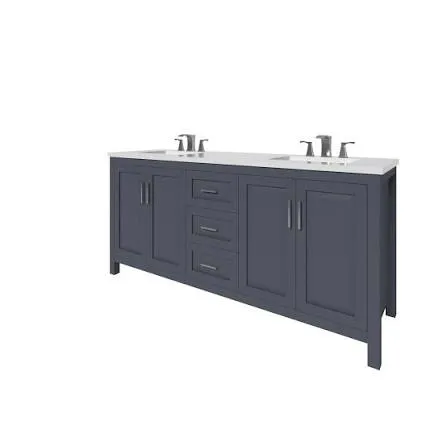
Bathroom renovations involve decisions that influence both daily convenience and long-term property appeal. Among the most important fixtures, the vanity determines how effectively a bathroom accommodates storage, grooming activities, and available floor space. Selecting suitable Bathroom Vanities requires more than comparing colors or cabinet designs. Dimensions, construction quality, countertop materials, and storage arrangements all contribute to the finished result. A carefully chosen vanity can improve organization while complementing the surrounding fixtures and interior design.
Understanding Bathroom Layout Requirements
The available floor area establishes the foundation for selecting an appropriately sized vanity. A spacious primary bathroom may accommodate a wide double-sink cabinet, while a compact guest bathroom often benefits from a narrower configuration. Accurate measurements help prevent overcrowding and maintain comfortable access to surrounding fixtures.
Cabinet depth, countertop overhang, and door clearance also require consideration. Existing plumbing locations can influence the practicality of certain designs. Reviewing these measurements before purchasing reduces the possibility of installation complications and helps maintain a functional bathroom layout.
Selecting Durable Cabinet Materials
Bathroom cabinets experience regular exposure to moisture, temperature changes, and daily handling. Construction materials therefore influence how well a vanity maintains its appearance and structural integrity. Solid wood, plywood, and engineered wood are commonly used in cabinetry, with different advantages depending on construction methods and surface protection.
High-quality finishes help protect cabinet surfaces from ordinary bathroom conditions. Drawer joints, hinges, and hardware deserve equal attention because they affect everyday usability. Proper ventilation and consistent moisture management remain essential for preserving cabinet materials, regardless of their initial quality.
Improving Storage and Organization
Effective storage arrangements can make a noticeable difference in bathroom functionality. Cabinets with drawers, adjustable shelves, and enclosed compartments provide convenient places for toiletries, grooming equipment, cleaning products, and additional towels. Storage design should reflect household routines rather than simply maximizing the number of compartments.
Several features can improve everyday organization:
-
Deep drawers: Accommodate larger grooming accessories and personal care products.
-
Adjustable shelves: Provide flexible storage for items of different heights.
-
Soft-close hardware: Supports quieter and more controlled cabinet operation.
-
Internal organizers: Keep smaller accessories separated and accessible.
-
Under-sink compartments: Utilize available space around plumbing connections.
The most practical arrangement balances storage capacity with easy access. Well-planned compartments reduce countertop clutter and help maintain an orderly bathroom without requiring additional furniture.
Comparing Suitable Countertop Materials
Countertop selection influences the vanity’s appearance, cleaning requirements, and resistance to everyday wear. Engineered quartz is valued for its consistent patterns and generally nonporous surface. Granite and quartzite provide distinctive natural stone characteristics, while marble offers elegant veining but typically requires more careful maintenance.
Material selection should consider cleaning habits, potential staining, and manufacturer recommendations. Natural stone surfaces may require sealing depending on their composition and finish. Buyers should also verify whether the countertop, sink, and faucet are included with the cabinet or purchased separately.
Matching Vanity Designs With Interior Styles
A bathroom vanity should complement the surrounding flooring, wall finishes, lighting, and fixtures. Traditional cabinetry often features decorative panels and furniture-inspired details, while contemporary designs emphasize smooth surfaces, simple hardware, and streamlined proportions. Transitional styles combine elements from both approaches.
Neutral cabinet finishes can accommodate changing decorative preferences, while natural wood tones introduce texture and warmth. Darker finishes create contrast in bathrooms with lighter surfaces. Consistent proportions and coordinated materials generally contribute more to visual balance than matching every fixture exactly.
Considering Installation and Maintenance Needs
Installation requirements vary according to cabinet construction, countertop weight, plumbing configuration, and mounting method. Freestanding vanities and wall-mounted models may require different preparation and structural support. Confirming installation specifications beforehand helps ensure compatibility with the intended bathroom layout.
Long-term maintenance also deserves attention. Cabinet surfaces should be cleaned with suitable products, and standing water should be removed promptly. Maintaining adequate ventilation can help control humidity and protect surrounding finishes. These practices support the continued appearance and functionality of bathroom furniture.
Evaluating Overall Value and Product Options
The purchase price represents only one part of a vanity’s overall value. Construction quality, storage efficiency, maintenance requirements, and component compatibility influence long-term satisfaction. A less expensive cabinet may not provide the same functionality or durability as a carefully constructed alternative.
Product comparisons should account for countertop inclusions, hardware specifications, and available finishes. Examining these details helps homeowners identify suitable options without spending unnecessarily on features that offer limited practical benefit.
Conclusion
Selecting the right bathroom vanity requires a balanced assessment of available space, cabinet construction, storage needs, and interior design. Attention to these factors can improve daily convenience while supporting a cohesive bathroom renovation. Retailers such as Renovate for Less provide various vanity styles and countertop options for different household requirements. Prioritizing suitable materials, thoughtful dimensions, and practical features helps create a bathroom environment that remains functional, organized, and visually appealing over time.