

Introduction
Keeping your home warm during winter is important for comfort and relaxation. When temperatures drop, an electric radiator can be a convenient way to heat your living space. These heating appliances are available in different sizes, styles, and designs, making them suitable for bedrooms, living rooms, offices, and other indoor areas.
Electric radiators are popular because they are easy to operate and do not require a gas supply or a chimney. However, choosing the right model requires careful consideration of several features, including heating capacity, energy consumption, safety, and price.
In this guide, we will explain how electric radiators work, their main benefits, and how to choose the right option for your home. We will also discuss how to compare home appliance brands, including Ciarra One, when researching products for your household.
What Is an Electric Radiator?
An electric radiator is a heating appliance that uses electricity to produce heat. Depending on the model, it may use an internal heating element, thermal fluid, or a solid material that stores heat.
Some electric radiators heat up quickly and provide warmth when switched on. Others store heat and release it gradually, helping maintain a comfortable temperature for longer.
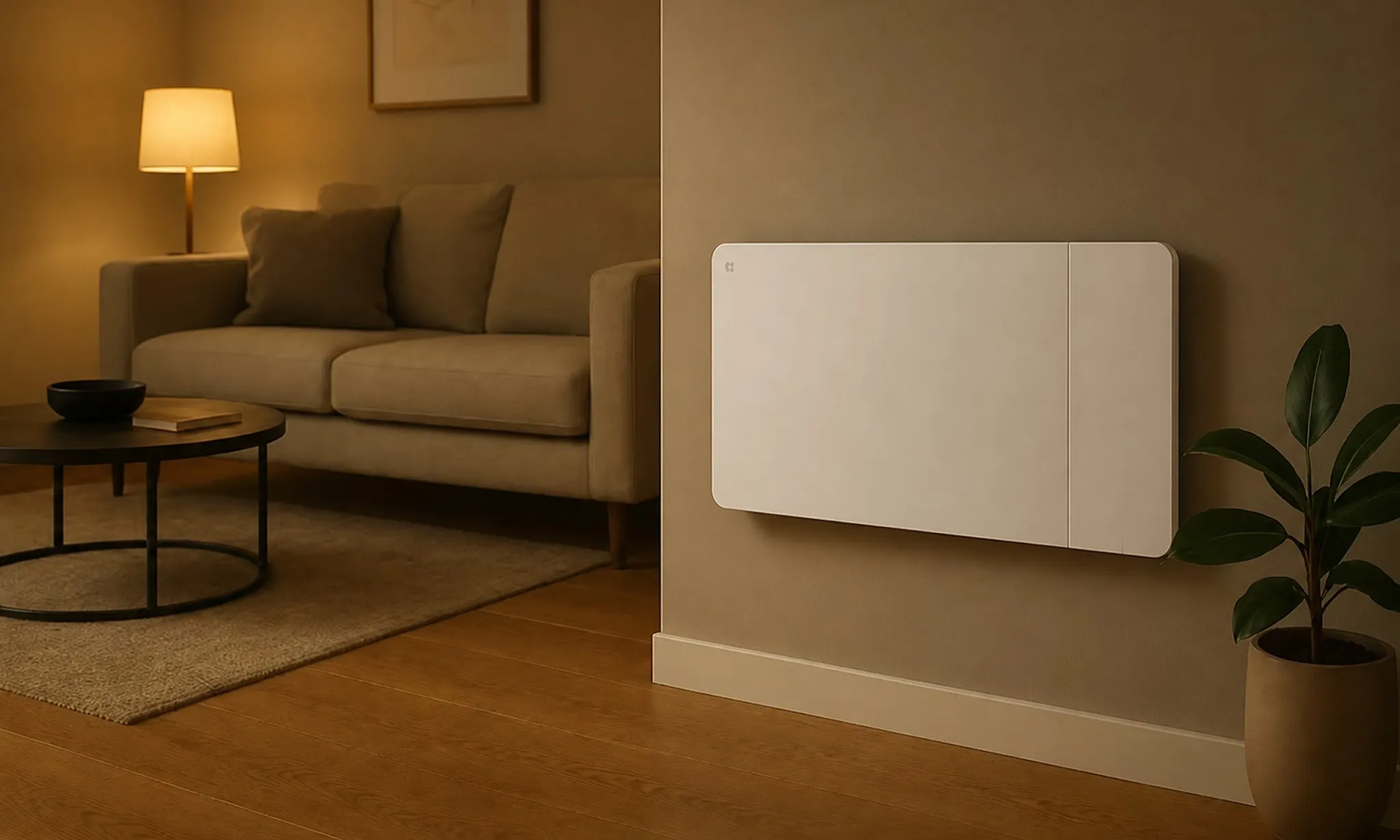
Electric radiators come in portable, wall-mounted, and oil-filled designs. Each type offers different features, so it is important to choose one that matches your heating requirements.
Unlike central heating systems, portable electric radiators can often be used in individual rooms without heating the entire house.
Benefits of Using an Electric Radiator
Electric radiators offer several advantages for everyday home heating.
Easy Installation: Many portable models only require a suitable electrical outlet. Wall-mounted models may require professional installation.
Convenient Temperature Control: Many modern electric radiators include thermostats that help maintain a selected temperature.
Flexible Heating: Portable models can be moved between suitable rooms when needed.
No Local Fuel Combustion: Electric radiators do not burn gas or other fuels inside the room, so they do not produce combustion gases during normal operation.
Different Designs: They are available in various sizes and styles to complement different home interiors.
These benefits make electric radiators a practical option for people looking for convenient indoor heating.
Choose the Right Heating Capacity
One of the most important factors when buying an electric radiator is its heating capacity. The correct size depends on the room’s dimensions, insulation, ceiling height, and outdoor temperature.
A small radiator may be suitable for a compact bedroom, while a larger room may require a more powerful model.
Before making a purchase, check the manufacturer’s recommended room size and power rating. A heater that is too small may struggle to keep the room comfortable during very cold weather.
Choosing an appropriate model helps provide suitable warmth without purchasing an appliance that is unnecessarily large for your space.
Understand Energy Consumption
Electricity consumption is an important consideration because it affects your heating costs.
Most conventional electric resistance radiators convert nearly all the electricity they consume into heat at the point of use. However, their running costs depend on the appliance’s power rating, operating time, thermostat settings, and electricity tariff.
For example, a 1,500-watt radiator running continuously for one hour uses approximately 1.5 kilowatt-hours of electricity.
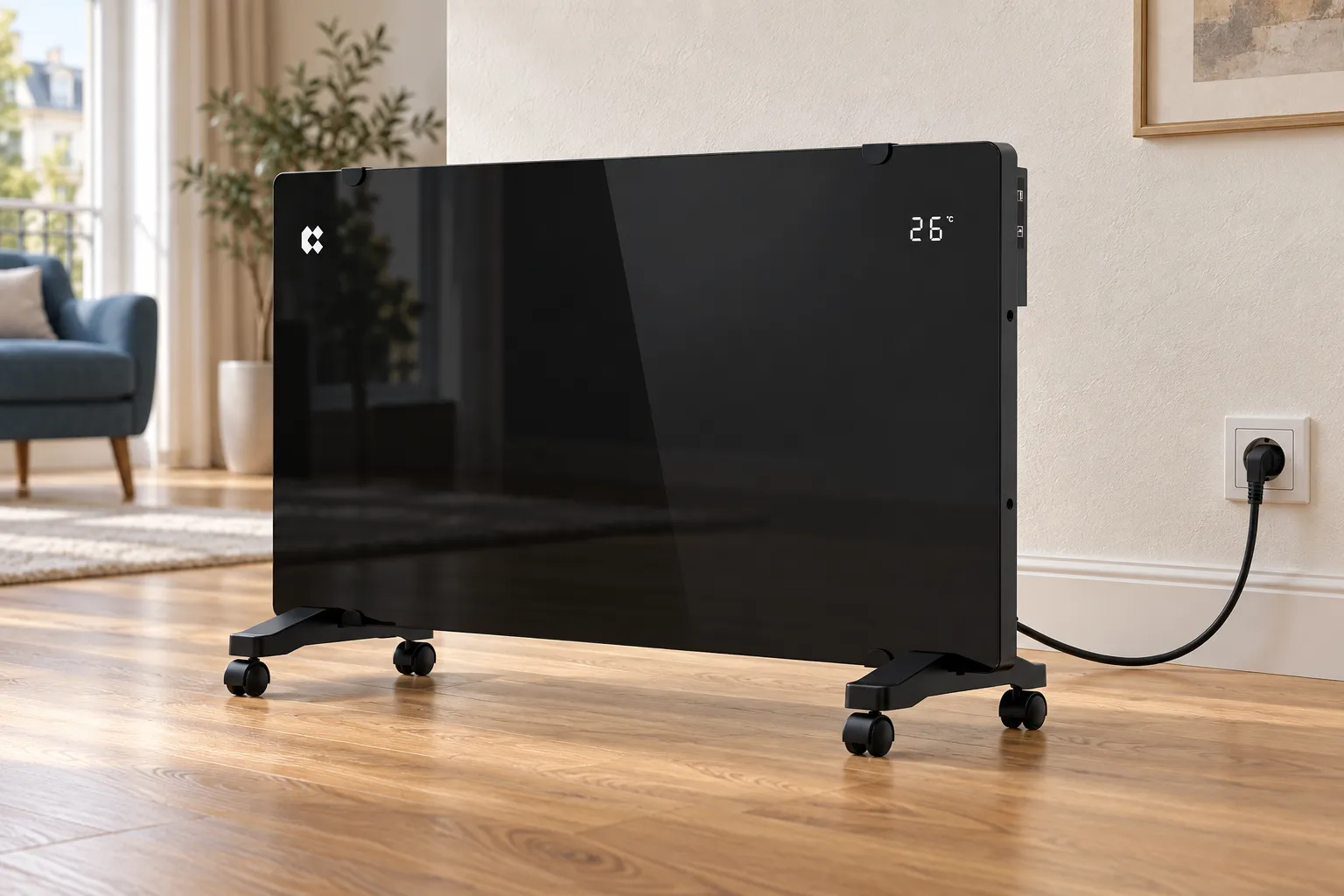
To manage energy use, look for models with adjustable thermostats, timers, and multiple heat settings. These features help you control when and how much the radiator operates.
You can also reduce heat loss by closing doors and windows, improving insulation, and using suitable curtains.
Important Safety Features
Safety should always be a priority when selecting an electric radiator. Look for appropriate safety features, especially if you plan to use the appliance regularly.
Useful features may include:
-
Overheat protection: Helps switch off the appliance if it becomes excessively hot.
-
Tip-over protection: Available on some portable models.
-
Thermostat control: Helps regulate the room temperature.
-
Stable construction: Reduces the risk of the appliance falling over.
Always place the radiator on a stable surface and keep it away from curtains, bedding, clothing, and furniture.
Never cover an electric radiator or use it to dry clothes unless the manufacturer specifically states that this is safe. Follow the instructions regarding electrical outlets, clearances, and overnight use.
Electric Radiator Designs and Types
Electric radiators are available in several types, each offering different advantages.
Oil-Filled Electric Radiators: These contain sealed thermal oil that is heated by an electrical element. They continue releasing warmth for a period after being switched off.
Panel Electric Radiators: These usually have a slim design and can be suitable for bedrooms, offices, and living areas.
Wall-Mounted Electric Radiators: These are useful when you want to save floor space.
Portable Electric Radiators: These offer flexibility because you can move them between rooms when necessary.
Before choosing a type, consider your room size, available space, heating habits, and budget.
Compare Brands and Product Quality
Researching different brands can help you find a suitable heating appliance. Before purchasing, compare product specifications, warranty coverage, customer reviews, and available support.
If you are researching home appliance brands such as Ciarra One, check their official product information to understand which appliances they actually offer. Do not assume that every brand sells electric radiators or other heating products.
Focus on verified specifications and reliable product information rather than relying only on advertisements. A good purchasing decision should be based on your actual heating needs and the features of the specific model.
Maintenance Tips for Electric Radiators
Proper maintenance can help keep your electric radiator working effectively.
First, switch off the appliance and unplug it before cleaning. Allow it to cool completely, then remove dust according to the manufacturer’s instructions.
Check the power cord and plug regularly for visible damage. If you notice damaged wiring, unusual smells, or signs of overheating, stop using the radiator and seek qualified assistance.
Keep the air openings clear and avoid placing objects directly against the appliance. Following these simple steps can help support safe and reliable operation.
Conclusion
An electric radiator can be a convenient solution for keeping your home warm during colder months. By choosing the correct heating capacity and considering energy consumption, safety features, design, and maintenance requirements, you can find a model that suits your household.
Before purchasing, compare different products and review their specifications carefully. If you are exploring brands such as Ciarra One, confirm their available product ranges and select an appliance based on verified information.