

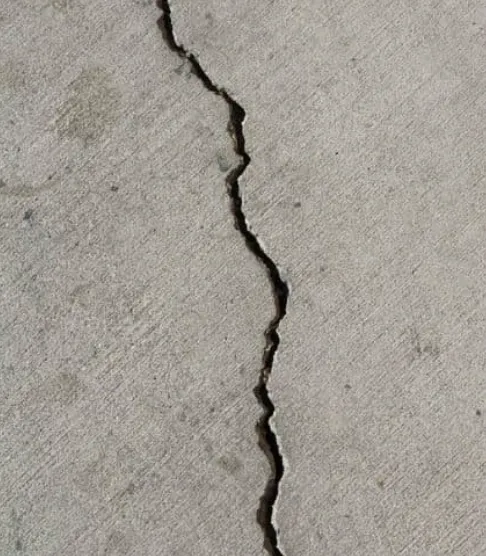
Concrete floors can take years of wear. Cars, tools, heavy loads, and daily foot traffic all leave marks. Cracks may form, old coatings can peel, and rough spots can make the floor hard to use. Concrete repairs help fix these issues and give the surface a sound base for further work.
A new coating alone cannot hide every problem. The concrete below it must be clean, firm, and ready. This is where good preparation matters. It helps the next layer bond well and gives the finished floor a better chance of lasting. Small steps at the start can prevent larger issues later.
Start With A Full Floor Check
Before work begins, the floor needs a close check. The team should look for cracks, holes, loose areas, oil marks, and old paint. Each issue can affect the final result. A quick look may miss damage that sits below the surface, so the check should cover the full area.
The cause of the damage matters too. A crack may come from wear, movement, or a weak base. Water can also affect the slab. Finding the cause helps the team choose the right fix. Covering a problem without checking it first may only hide it for a short time.
Clear Away Old Surface Layers
Old paint, glue, dirt, and failed coatings can stop a new layer from bonding well. These materials need to be removed before the next stage. The right method will depend on the floor and the type of material on it. Some surfaces need grinding, while others may need a different removal method.
Good floor preparation also means clearing dust and loose bits from the slab. Even a thin layer of dust can affect how a coating sticks. The team should clean the floor with care and check that no loose material remains before moving on.
Repair Cracks And Damaged Areas
Cracks and holes need the right repair before a coating is applied. Small cracks may need a suitable filler, while deeper damage can call for more work. The repair method depends on the size, depth, and state of the concrete. Each area should be checked rather than treated in the same way.
Loose edges and weak patches should not be covered as they are. These parts may break away and affect the new finish. A sound repair helps create a more even base. It can also reduce the risk of defects showing through the finished floor after the work is done.
Use Grinding For Better Bonding
Concrete grinding removes weak surface layers and helps create a suitable texture for the next coat. It can also remove small bumps and old coating marks. The aim is not just to make the floor look smooth. The surface must have the right profile for the product being used.
The grinding method should suit the slab and the coating system. Too little work may leave weak material behind. Too much can damage the surface.
Check Moisture Before Coating Work
Moisture can cause problems under a new floor coating. If water moves through the slab or stays trapped below the surface, it may affect the bond. In some cases, the coating can bubble, peel, or fail early. This is why moisture checks should form part of the work plan.
The team should use a suitable test where site conditions call for one. If moisture levels are too high, the next step may need to wait or change. The right action depends on the floor and product details. It is better to deal with this issue early than face a failed finish later.
Choose The Right Repair Method
Not every concrete floor needs the same treatment. A garage, shop, and warehouse can face very different demands. Some floors need basic repairs and grinding. Others may need more work to fix deep damage or prepare for a specific coating system. The plan should match the way the space is used.
Ask the team to explain the steps and products they plan to use. Find out how long each stage may take and when the floor can be used again.
Conclusion
Proper surface preparation is a key part of restoring a concrete floor. It helps remove weak layers, fix damage, and create a clean base for new coatings. The work may not be the most visible part of the job, but it can have a major effect on the final result.
Visit epoxyflooringredlands.com.au to learn more about concrete repair and floor preparation services. Before choosing a team, ask how it will inspect, clean, grind, and repair your floor. A clear plan should explain each step and suit the state of the slab. Good work starts below the finish, where the real strength of the floor begins.